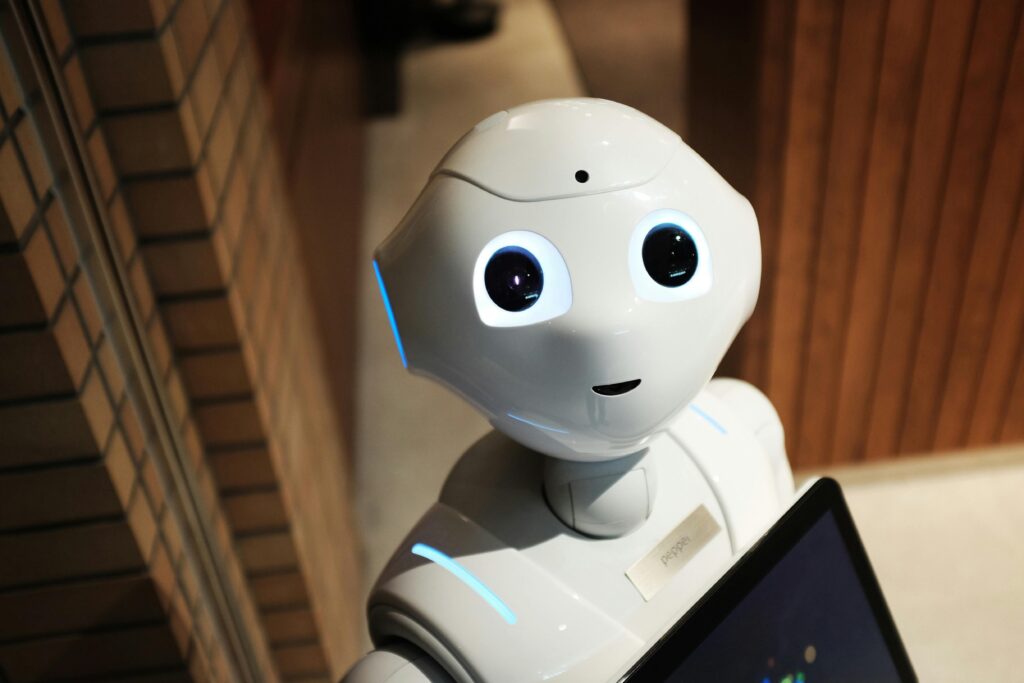
Artificial Intelligence has rapidly become one of the most transformative technologies in the modern world. Across industries in Guwahati, Silchar, Assam, and the entire North-East region, businesses are increasingly integrating AI-powered systems into recruitment, customer service, healthcare, banking, manufacturing, education, digital marketing, and operational management.
As artificial intelligence continues evolving, one major question dominates professional discussions worldwide: Will AI completely replace human jobs, or will it simply redefine how people work?
The reality is far more strategic and complex than simple job replacement. AI is not only transforming industries but also reshaping professional careers, workplace responsibilities, recruitment systems, and skill requirements across modern employment markets.
A professional Silchar Job Consultancy helps candidates and employers understand these evolving workforce trends while preparing professionals for future-ready career opportunities in India’s rapidly changing employment environment.
Understanding the Rise of Artificial Intelligence in Modern Industries
Artificial Intelligence refers to advanced computer systems capable of performing tasks that traditionally required human intelligence. These tasks include:
- Data Analysis
- Customer Interaction
- Automation Processes
- Predictive Decision-Making
- Virtual Assistance
- Process Optimization
- Digital Communication
- Recruitment Screening
- Financial Monitoring
- Operational Management
Modern companies adopt AI technologies primarily to improve efficiency, reduce repetitive manual tasks, increase operational speed, and strengthen business productivity.
Industries across Guwahati, Silchar, and North-East India are gradually implementing AI-based systems to remain competitive in digitally evolving markets.
Will AI Completely Replace Human Jobs?
While artificial intelligence can automate repetitive and process-driven activities, it cannot fully replace human creativity, emotional intelligence, leadership, adaptability, ethical judgment, and strategic thinking.
AI systems operate based on programmed data and algorithms. Human professionals, however, possess qualities that remain extremely difficult for machines to replicate, including:
- Emotional Understanding
- Critical Thinking
- Human Communication
- Creative Innovation
- Leadership Skills
- Ethical Decision-Making
- Relationship Building
- Workplace Adaptability
As a result, AI is more likely to transform jobs rather than eliminate human employment entirely.
Jobs Most Affected by Artificial Intelligence
AI automation is expected to impact repetitive operational roles that involve predictable tasks and standardized procedures.
Examples include:
- Basic Data Entry
- Repetitive Administrative Work
- Simple Customer Queries
- Routine Manufacturing Operations
- Basic Technical Monitoring
- Predictable Transaction Processing
However, even in these industries, human supervision, technical expertise, and operational management remain essential.
Modern organizations still require professionals capable of analyzing AI outputs, managing systems, solving complex challenges, and maintaining customer relationships.
New Career Opportunities Created by AI
Artificial Intelligence is not only changing jobs but also creating entirely new professional sectors and employment opportunities.
High-demand AI-related careers include:
- AI System Management
- Data Analysis & Analytics
- Machine Learning Support
- Cybersecurity Operations
- Digital Marketing Automation
- Software Development
- Technical Support Engineering
- AI Recruitment Coordination
- Content Strategy Management
- Human-AI Workflow Supervision
A trusted placement consultancy in Silchar helps candidates identify emerging career opportunities and develop skills aligned with modern technological industries.
Why Human Skills Will Remain Valuable
As AI handles repetitive processes, companies increasingly value uniquely human abilities. Modern employers across Assam and North-East India are prioritizing professionals with strong interpersonal and strategic competencies.
Important future-proof human skills include:
Communication Skills
Professional communication remains essential in leadership, customer service, negotiation, and workplace coordination.
Problem Solving Abilities
Businesses require professionals who can handle unpredictable situations and implement practical solutions beyond automated systems.
Leadership & Team Management
AI cannot replace the human ability to motivate teams, manage workplace culture, and guide organizational growth.
Creativity & Innovation
Creative thinking drives product development, marketing strategies, branding, and business expansion.
Emotional Intelligence
Human empathy and relationship-building skills remain critical in healthcare, education, HR, customer support, and management roles.
Impact of AI on Recruitment and Hiring
Modern recruitment systems increasingly use AI-powered technologies for resume screening, applicant tracking, and interview scheduling. However, final hiring decisions still depend heavily on human evaluation and professional judgment.
A professional Guwahati Job Consultancy uses modern digital recruitment systems while ensuring personalized candidate assessment and career guidance remain central to the hiring process.
Companies now search for candidates who combine:
- Technical Knowledge
- Digital Awareness
- Adaptability
- Communication Skills
- Analytical Thinking
- Professional Confidence
The workforce of the future will require both technological understanding and strong human-centered skills.
Future of Employment in Guwahati, Silchar & North-East India
The employment landscape across Guwahati, Silchar, Assam, and North-East India is gradually evolving toward digitally integrated business environments.
Industries adopting AI technologies include:
- Banking & Financial Services
- Healthcare Administration
- Telecom Sector
- Information Technology
- Manufacturing Industries
- Digital Marketing Agencies
- E-Commerce Businesses
- Logistics & Supply Chain
- Educational Technology Companies
Professionals who continuously upgrade their skills and adapt to technological advancements will remain highly employable in future markets.
Role of Silchar Job Consultancy in the AI Era
Modern recruitment consultancies help professionals prepare for changing workforce demands through:
- Career Counseling
- Technical Skill Guidance
- Digital Workforce Training
- Interview Preparation
- Professional Communication Development
- Industry Trend Awareness
This support enables candidates to remain competitive in evolving employment markets.
Conclusion
Artificial Intelligence is not simply replacing jobs; it is fundamentally redefining how industries operate and how professionals contribute within organizations.
The future workplace will increasingly depend on collaboration between human intelligence and advanced technologies. Companies will continue requiring adaptable professionals capable of combining technical understanding with creativity, leadership, communication, and strategic thinking.
For candidates across Guwahati, Silchar, Assam, and the entire North-East region, the key to long-term career success lies not in fearing AI, but in developing future-ready skills that complement technological advancement.
AI may transform industries, but human potential will continue driving innovation, leadership, and professional progress in the modern employment world.